PROHIBITION
By Jackson
Thesis: In the U.S.A prohibition was a complete failure because people made their own alcohol, gang’s smuggled alcohol and the amount of “wets in society where far greater than the “dries”
History of Prohibition
 Prohibition was the period, from 1920 to 1933, in U.S. history
when manufacturing, sale and transportation of liquor were illegal. This was a
time period when even the average citizen broke the law. After the American
Revolution, in
1783, many people were
drinking way too much. To combat this many societies tried pushing for a
moderation in alcohol, but after many decades they began the Temperance
Movement to banning drinking out right. The Temperance Movement blamed alcohol
for many of the society’s crime such as murder and domestic violence. The goal
of the Temperance Movement was to stop men from spending most of the families’
income on drinking and to stop accidents in business because workers drank
during lunch.
Prohibition was the period, from 1920 to 1933, in U.S. history
when manufacturing, sale and transportation of liquor were illegal. This was a
time period when even the average citizen broke the law. After the American
Revolution, in
1783, many people were
drinking way too much. To combat this many societies tried pushing for a
moderation in alcohol, but after many decades they began the Temperance
Movement to banning drinking out right. The Temperance Movement blamed alcohol
for many of the society’s crime such as murder and domestic violence. The goal
of the Temperance Movement was to stop men from spending most of the families’
income on drinking and to stop accidents in business because workers drank
during lunch.
Prohibition is often defined as a legal test of moral behavior.
Prohibition is legally known as the 18th amendment which was repealed in 1933, was a government attempt to
make American citizens more Moral people and to take care of American’s
drinking addiction. Prohibition was enforced similarly to prostitution and
illegal drug use. And, just like them, an illegal black market was made for
selling alcohol.
 When prohibition started, the American people were furious,
claiming it was against their rights, where as crime lords were very happy at
the opportunity to make money. Prohibition in the U.S. lasted 13 years, from
1920 to 1933. People formed groups called the “wets” and the “dries”. Wets were
the people that were against prohibition and the Dries were people that agreed
with prohibition. Prohibition started as an attempt to reduce alcohol intake,
but as the cause became more popular, it turned into a ban of all alcohol. As
soon as prohibition was enacted, people started making their own alcohol; wine,
beer, and bathtub gin. Saloons started to open illegally, selling alcoholic
beverages. A lot of other nations such as Mexico, Australia, and Canada have
tried prohibition with the same outcome as the U.S. Failure. The U.S.
experienced failure because too many people were against prohibition. People
enjoyed liquor, and the government wasn’t doing going to stop them.
When prohibition started, the American people were furious,
claiming it was against their rights, where as crime lords were very happy at
the opportunity to make money. Prohibition in the U.S. lasted 13 years, from
1920 to 1933. People formed groups called the “wets” and the “dries”. Wets were
the people that were against prohibition and the Dries were people that agreed
with prohibition. Prohibition started as an attempt to reduce alcohol intake,
but as the cause became more popular, it turned into a ban of all alcohol. As
soon as prohibition was enacted, people started making their own alcohol; wine,
beer, and bathtub gin. Saloons started to open illegally, selling alcoholic
beverages. A lot of other nations such as Mexico, Australia, and Canada have
tried prohibition with the same outcome as the U.S. Failure. The U.S.
experienced failure because too many people were against prohibition. People
enjoyed liquor, and the government wasn’t doing going to stop them.
The
lessons of Prohibition remain important today. They apply not only to the
debate over the war on drugs but also to the mounting efforts to drastically
reduce access to alcohol and tobacco. Seeing that prohibition was a huge
failure in the 20th century, should we repeat it on drugs?
Al Capone:
 Alphonse Gabriel Capone, also known as “Al Capone”, was born on
January 17th, 1899. Al Capone started as a small-time gangster working for the
Junior Forty Thieves, the Bowery Boys, and the Five Points Gang. At a Brooklyn
nightclub he insulted a woman, which caused her brother to get angry and attack
him. He received 3 scars down his face, giving him the nickname “Scarface.” The
man who gave him those scars was then hired as his bodyguard because Capone
admired his spirit.
Alphonse Gabriel Capone, also known as “Al Capone”, was born on
January 17th, 1899. Al Capone started as a small-time gangster working for the
Junior Forty Thieves, the Bowery Boys, and the Five Points Gang. At a Brooklyn
nightclub he insulted a woman, which caused her brother to get angry and attack
him. He received 3 scars down his face, giving him the nickname “Scarface.” The
man who gave him those scars was then hired as his bodyguard because Capone
admired his spirit.
Al Capone was a major player during prohibition. He was a well
known seller of liquor at the time. Al Capone tipped many people off in order
to be successful in his business. It apparently worked, because he was only
caught and arrested for tax evasion but, many people believe Al Capone much more
than that.
Adolphus Busch:
 He envisioned a national beer with the universal appeal. During
the American Civil War he severed in the United State Army for 14 months.
During this time he learned that his father passed away and that he inherited
part of his father estate. With this money he started a wholesale brewer's
supply store. After 4 years passed he bought a share in the Bavarian brewery
from his father in law. The company was first named "Anheuser and
Company" but after the death of his father and law it was named "Anheuser
Busch Company". The brewery was the most powerful brewery in the united
states in the 1900"s.
He envisioned a national beer with the universal appeal. During
the American Civil War he severed in the United State Army for 14 months.
During this time he learned that his father passed away and that he inherited
part of his father estate. With this money he started a wholesale brewer's
supply store. After 4 years passed he bought a share in the Bavarian brewery
from his father in law. The company was first named "Anheuser and
Company" but after the death of his father and law it was named "Anheuser
Busch Company". The brewery was the most powerful brewery in the united
states in the 1900"s.
Adolphus Busch Video
 George Remus
A very well know criminal attorney in the Midwest, George Remus spent 20 years as a defense attorney in Chicago. He bought up many distilleries and created his own drug company. He became a very successful bootlegger, being both a seller and a buyer. Remus eventually had over 3,000 employees working for him and he was doing millions of dollars worth of business a year. In 1925 Remus was put on trial and in less than 2 hours the jury found him guilty.
 George Remus
A very well know criminal attorney in the Midwest, George Remus spent 20 years as a defense attorney in Chicago. He bought up many distilleries and created his own drug company. He became a very successful bootlegger, being both a seller and a buyer. Remus eventually had over 3,000 employees working for him and he was doing millions of dollars worth of business a year. In 1925 Remus was put on trial and in less than 2 hours the jury found him guilty.
Eliot Ness
He was a famous American Prohibition police officer known to enforce Prohibition in Chicago. He was also the leader of a team of eleven men of law enforcement nicknamed The Untouchables.
Roy Olmstead
 Also known as "King of the Puget sound Bootleggers", Roy was a young and promising lieutenant on the Seattle police force until he was caught bootlegging and fired from the police. He then turned into a professional bootlegger and before long he was making more in a week then he would make in twenty years a police officer. Olmestead soon bought off local authorities such as sheriff's deputies, the chief of police, and even the mayor.
 Roy Olmstead Video
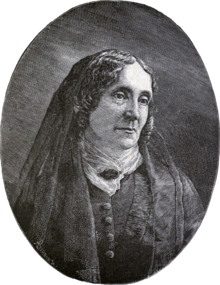 Eliza Thompson
She lead groups of women into salons where they sang hymns, religious songs, and prayed for the closure of the establishment. These non-violent protests were successful and quickly spread far across the state of Ohio and later a total of 22 other states stretching form New York to California. Within several year the movement eventually subsided; however, it was a successful in starting the temperance movement.
The Temperance Movement
It was an organized effort to encourage a moderation in the act of consuming intoxicating liquors. The movement was mostly driven by women who with their children had endured the harsh effects alcohol had on their husband.
Rum-running

More popularly known as bootlegging, was the illegal business of
smuggling alcoholic beverages. The term rum-running was usually used when the
alcohol was being smuggled over water and bootlegging was usually used when it
was being smuggled on land. This term was believed to be developed during the
Civil War, when soldiers would smuggle alcohol into army camps by putting pint
bottles into their boot. A popular way smugglers made even more money was by
renaming the liquors for example, a cheap sparkling wine was renamed to French
champagne.
Where it happened?
Americans
were not alone during the first quarter of the 20th century in
adopting prohibition on a large scale: others enacting similar measures
included Iceland, Finland, Norway, both czarist Russia and the Soviet Union,
Canadian provinces, and Canada’s federal government. A majority of New Zealand
voters twice approved national prohibition but never got it. As a result of 100
years of temperance agitation, the American cultural climate at the time Prohibition
went into effect was deeply hostile to alcohol, and this manifested itself
clearly through a wave of successful referential on statewide
prohibition.

Why Repeal Prohibition?
 |
| Still used for making home-made alcohol |
How can
anything succeed if more people are against it than for it?
The majority of people for prohibition later
changed their minds because of the unintended consequences. During the
Prohibition Era gang violence was at an all time high, many gangs saw the
prohibition as a huge money making opportunity. If people wanted alcohol why
not sell it to
them illegally and over-priced? Also people found ways to get
around the ban on liquor, mostly by making their own by using stills. So why keep
Prohibition if it causes more wrong than right?
Here are some free moonshine recipes
What lessons can be learned form Prohibition?
What lessons can be learned form Prohibition?
The lessons of prohibition can still be used today, one example is on drugs. A prohibition on drugs very well could happen but
the only way it will happen is if more people want the prohibition then people
that don’t want it. In the case of prohibition of alcohol there were more
“wets”, people who wanted alcohol, the “dries”, people who didn't want alcohol.
Because of this the prohibition on alcohol was a failure. Also the prohibition
on alcohol sprouted un-intended side effects such as gangs and bootlegger,
people who illegally smuggled alcohol. In the case of the prohibition on
alcohol it created more wrong than right making it un-successful. If a
prohibition on drugs were to occur we would need to make sure that it would
solve problems and not create new and more severe problems.
Time Line of Prohibition
- 1826, Reverand Lyman Beecher
Preaches against the evils of alcohol
- 1851, Maine was the first state to
prohibit the manufacture and sale of liquor
- 1856, Maine repeals the prohibit
on liquor
- 1873, Eliza Thompson led women to
sing against alcohol
- 1910, Adolphus Busch is the most
powerful brewer in the United States
- 1914, Pre-Prohibition Temperance
raid getting rid of liquor in Topeka, Kansas
- 1919, The 18th Amendment is
established
- 1926, Al Capone is blamed for
murder of Billy McSwiggin
- 1928, The Purple gang goes on
trial for bootlegging
- 1929, Gang violence is on the rise
in almost every city is the U.S.A
- 1929, The Valentine’s Day
Massacre, when Al Capone has 7 of Bugs Moran's Men murdered
- 1933, The 21st amendment repealing prohibition is established
